Most toilet blockages don’t happen overnight. They build up slowly, one flush at a time, until the water starts rising instead of disappearing. Many people assume anything that fits through the bowl is safe to flush, but that’s rarely the case.
At Craft Tech Media, we enjoy researching the practical side of home maintenance and sharing information that homeowners can actually use. If you’re looking for more practical home maintenance guides, visit Craft Tech Media, where we regularly publish articles covering plumbing, roofing, electrical work, and other trade topics.
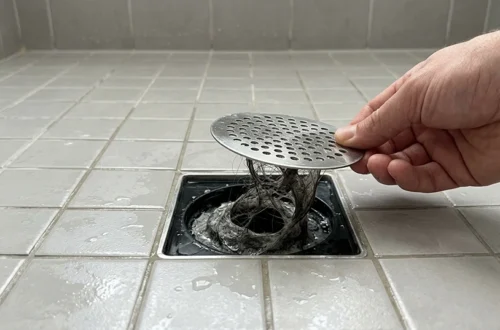
Knowing what not to flush down the toilet can save hundreds or even thousands of dollars in plumbing repairs. Some materials break apart quickly in water, while others stay intact for months, collecting debris inside the drain until the pipe becomes blocked.
Below are eight common items that should never go down your toilet.
Why flushing the wrong items causes plumbing problems
A modern toilet is designed for only two things: human waste and toilet paper.
Everything else behaves differently inside your plumbing system. Some products expand after getting wet. Others wrap around bends inside the drain or become trapped in the toilet trap. Once that happens, more waste catches behind the blockage until water has nowhere to go.
Professional plumbers often remove clogs made from several different products compacted into one solid mass. It usually starts with one item that should have gone into the rubbish bin.
1. “Flushable” wipes
Despite the label, flushable wipes remain one of the leading causes of blocked drains.
Unlike toilet paper, these wipes are manufactured with stronger fibres so they don’t fall apart during use. The same strength allows them to travel through pipes mostly intact.
Inside the sewer, they combine with grease, hair, and other debris. Over time they can create large blockages that require drain clearing equipment or even excavation.
If your household uses wet wipes, place a small covered bin beside the toilet instead.
2. Paper towels and tissues
Many people believe tissues dissolve the same way toilet paper does. They don’t.
Paper towels, facial tissues, and heavy-duty cleaning wipes are made to stay together even after absorbing water. That makes them excellent cleaning products but poor choices for flushing.
One or two tissues may not create an immediate blockage. Repeating the habit every day slowly increases the chance of a clogged drain.
3. Feminine hygiene products
Tampons, sanitary pads, liners, and their wrappers should always go into a rubbish bin.
These products absorb moisture and expand. Inside a drain pipe they can become lodged at pipe bends or catch against rough pipe joints. Once stuck, they trap toilet paper and other waste until the blockage grows large enough to stop the toilet from draining properly.
Many emergency plumbing callouts begin with a toilet overflowing after one of these products becomes trapped in the drain.
4. Cotton buds, cotton balls, and makeup pads
Cotton products don’t dissolve in water.
Instead, they clump together and often settle in low sections of the drain. Cotton buds can also get caught inside pipe fittings, where they collect other debris.
Even though they seem small, repeated flushing creates the same problem as larger items.
Dispose of these products in household waste rather than the toilet.
5. Cooking grease and food scraps
It might seem convenient to scrape leftover soup or cooking fat into the toilet, but grease hardens as it cools.
Inside sewer pipes, grease sticks to the pipe wall. Other debris then sticks to the grease, creating thick deposits that reduce water flow.
Food scraps can also attract pests once they reach parts of the sewer network.
As explained by the external source, the proper disposal guidance for fats, oils, and grease, including cooking grease, should be collected and disposed of instead of entering household drains.
6. Dental floss and hair
Hair rarely breaks down inside plumbing.
Dental floss presents another problem. It behaves almost like a fishing line, wrapping around other debris inside the pipe. Hair then catches on the floss, forming a larger blockage over time.
Professional drain cameras often reveal tangled masses made from both materials several metres down the line.
Keep a small bathroom bin nearby so these items never reach the toilet.
7. Cat litter
Some brands advertise themselves as flushable, but most plumbers recommend avoiding the risk altogether.
Cat litter absorbs moisture and expands quickly. That same feature helps control odours in a litter tray, yet it creates obvious problems inside plumbing.
Used cat litter may also contain parasites that wastewater treatment systems are not always designed to remove.
The external source from the U.S. Centers for Disease Control and Prevention guidance on toxoplasmosis explains why pet waste should be handled carefully.
8. Medication
Unused tablets and capsules should never be flushed.
Many wastewater treatment plants cannot completely remove pharmaceutical compounds before water returns to the environment. Medicines can also affect aquatic ecosystems once they leave treatment facilities.
Most communities now provide medicine take-back programs or pharmacy collection services.
Check with your local council or pharmacy for safe disposal options.
Warning signs that your toilet already has a developing blockage
A blockage doesn’t always stop the toilet immediately.
Watch for these common symptoms:
- Water rises higher than normal before draining.
- The toilet makes gurgling sounds after flushing.
- Flushing one fixture affects another drain nearby.
- Water drains away more slowly each week.
- Unpleasant sewer smells appear around the bathroom.
- You find yourself reaching for the plunger more often.
If several of these signs appear together, the blockage may already be beyond the toilet trap and inside the drain line.
Our guide on how to unclog a toilet explains what homeowners can safely try before calling a plumber, while our article covering common causes of toilet clogs and how to prevent them looks at long-term habits that help keep drains flowing properly.
What should you flush?
The safest rule is simple.
Only flush:
- Human waste
- Toilet paper
Everything else belongs in a rubbish bin, even if the packaging suggests it’s safe to flush.
This habit keeps household plumbing working properly and also reduces pressure on municipal sewer systems.
When should you call a plumber?
A plunger works well for simple toilet blockages close to the bowl.
If the toilet repeatedly blocks after clearing, overflows every few days, or backs up into nearby fixtures, the obstruction is probably deeper inside the drain. Professional plumbers may inspect the pipe with a drain camera or clear it using specialised equipment such as a drain snake or hydro jetting machine.
Craft Tech Media focuses on researching practical maintenance topics that help homeowners understand common plumbing issues. If your toilet continues to clog despite following good flushing habits, it’s time to contact a licensed plumber in your local area for a proper inspection.
Frequently asked questions
Yes, but usually only when too much is flushed at once or an existing blockage is already slowing the drain. Standard toilet paper is designed to break apart much faster than tissues or wipes.
No. Many plumbing professionals regularly remove blockages made largely from flushable wipes because they stay intact far longer than toilet paper.
No. Cat litter absorbs water and expands, making it much more likely to clog pipes than regular toilet waste.
A partial blockage further down the drain, tree root intrusion, pipe damage, or poor toilet performance may be restricting water flow. If the problem keeps returning, arrange an inspection with a qualified plumber.
Only flush human waste and toilet paper, keep a rubbish bin beside the toilet for other waste, and deal with slow draining toilets before they become completely blocked