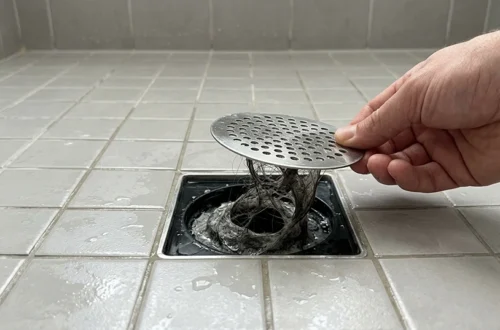
Reaching for a bottle of chemical drain cleaner every time the sink runs slow isn’t ideal. Harsh chemicals corrode pipes over time, they’re not safe around kids or pets, and they don’t actually fix the underlying build-up, they just punch a temporary hole through it. A good homemade drain cleaner using ingredients from your pantry can handle most light to moderate clogs and works as a reliable maintenance solution to keep pipes clear between proper cleanings.
These aren’t folk remedies. Some of the methods below have genuine chemistry behind them. Others rely on physical principles rather than chemical reaction. Knowing which to use when makes the difference between clearing a drain in ten minutes and wasting an afternoon.
What a natural drain cleaner can and can’t do
Homemade solutions are effective on soft, organic blockages such as hair, soap scum, grease, and food residue. They won’t dissolve a solid object sitting in the trap, and they won’t fix a mechanical problem like a collapsed pipe or root intrusion.
If you’re dealing with multiple slow drains at once, or if the drain has been completely blocked for days, check our guide on
how to unclog a drain which covers the full range of methods from basic to advanced, including when to hand the job to a plumber.
Homemade drain cleaner recipes that actually work
Baking soda and white vinegar
This is the most widely used natural drain cleaner, and the fizzing reaction makes people think something dramatic is happening. The reaction between sodium bicarbonate and acetic acid produces carbon dioxide gas. That fizzing action helps dislodge loose debris and soap build-up from pipe walls. It’s not a solvent, so it won’t dissolve a solid blockage, but for a drain that’s draining slowly, it often does enough.
How to do it:
- Pour half a cup of baking soda directly into the drain
- Follow with half a cup of undiluted white vinegar
- Cover the drain opening immediately with a cloth or plug to force the reaction downward
- Leave it for 20 to 30 minutes
- Flush with a full kettle of hot water
Repeat twice if the drain is still slow. It’s safe on PVC and metal pipes.
Baking soda and salt
This version works more slowly but is better suited to grease build-up. Salt is mildly abrasive and, combined with baking soda, it helps scour the inside of the pipe wall as it passes through.
How to do it:
- Mix equal parts baking soda and coarse salt, about half a cup of each
- Pour the mixture dry into the drain
- Leave for at least 30 minutes, preferably overnight
- Flush with boiling water
This works well as a weekly maintenance routine for kitchen drains. It takes no effort and keeps grease from accumulating between deep cleans.
Dish soap and boiling water
For kitchen sinks where grease is the main culprit, this is the fastest starting point. Dish soap is specifically formulated to cut through fat, and boiling water melts grease away from pipe walls.
How to do it:
- Squeeze a generous amount of dish soap into the drain, about two to three tablespoons
- Boil a full kettle
- Pour the boiling water slowly in two or three stages, pausing between each pour
The boiling water flushes the soap and melted grease down the pipe. Skip this method on PVC pipes where the joints might soften. Use very hot (not boiling) water instead.
Salt, borax, and vinegar
This is a stronger natural option for stubborn build-up that the simpler recipes haven’t shifted.
How to do it:
- Pour quarter of a cup of salt into the drain
- Add quarter of a cup of borax
- Pour in half a cup of white vinegar
- Leave for at least an hour
- Flush with boiling water
Borax is a natural mineral compound available in the laundry section of most supermarkets. It’s alkaline and helps cut through soap scum and organic build-up. Wear gloves when handling it directly.
Enzyme-based cleaner (made at home)
Commercial enzyme drain cleaners use specific bacteria strains to digest organic matter. You can make a rough version at home using:
- Two cups of citrus peels (orange, lemon, or grapefruit work well)
- Half a cup of brown sugar
- One teaspoon of dry yeast
- One litre of warm water
Combine everything in a jar or bottle, loosely cap it, and leave it to ferment at room temperature for about two weeks. The resulting liquid can be poured down the drain and left overnight. It won’t work as fast as commercial enzyme cleaners, but the citrus oils help cut grease and it’s genuinely cost-effective as a maintenance treatment.
How to use homemade cleaners for drain maintenance
Most blockages build up over weeks, not overnight. The most effective use of natural drain cleaners is maintenance, not crisis management. Running a baking soda and vinegar treatment weekly, or pouring the baking soda and salt mix down kitchen drains every few days, prevents the build-up from ever getting thick enough to block the pipe.
- Weekly: baking soda and vinegar in bathroom drains, flushed with hot water
- After each dish session: hot water for 30 seconds to push grease further down the line
- Monthly: salt and borax treatment in kitchen drains
- As needed: dish soap and boiling water for any drain that’s running slower than usual
What these methods won’t fix
Natural drain cleaners are good at dissolving organic build-up. They don’t work on:
- Solid objects sitting in the trap (you need to physically remove these)
- Tree root intrusion in the main sewer line
- Heavily scaled pipes where mineral deposits have narrowed the bore
- Fully blocked drains that won’t allow water through at all
For any of those situations, talk to a qualified plumber in your area. A camera inspection will confirm the cause quickly and most licensed plumbers can give you a quote on the same day.
Are natural drain cleaners eco-friendly?
Yes, baking soda, vinegar, salt, and dish soap all break down quickly in the water system without harming aquatic life or wastewater treatment processes. Commercial drain cleaners, particularly those containing sodium hydroxide or sulphuric acid, are corrosive to pipe materials and require careful disposal.
The US Environmental Protection Agency guidance on household chemical disposal recommends avoiding the routine use of corrosive drain cleaners where safer alternatives are available. Natural methods qualify as those alternatives for routine maintenance.
FAQs about homemade drain cleaners
Yes, for light to moderate organic clogs. The fizzing reaction dislodges loose debris and soap residue from pipe walls. It won’t dissolve a solid blockage or clear a fully blocked pipe, but it’s effective for slow drains and ongoing maintenance.
Yes. The reaction is mild enough that it won’t damage PVC or metal pipes. The only method to avoid on PVC is boiling water, as very high temperatures can soften joint seals over time.
At least 20 to 30 minutes after adding the vinegar. Leaving it overnight gives a better result for stubborn slow drains, as the baking soda and salt mixture has more time to work on grease coating the pipe walls.
The salt, borax, and vinegar combination is the most aggressive of the natural options. For heavy grease build-up, combine that with a dish soap and boiling water flush. If neither clears it, a drain snake is the next step rather than a harsher chemical cleaner.
Yes, but with some modifications. Skip boiling water in toilets as the sudden temperature change can crack porcelain. Baking soda and vinegar is safe to use. For a toilet that won’t flush properly after that, a flange plunger is usually more effective than any cleaner.