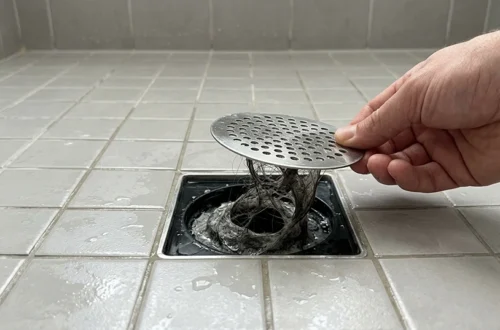
A blocked drain is one of those problems that starts small and turns frustrating fast. The water backs up, the smell follows, and suddenly you’re standing in a puddle every time you shower. The good news is that most clogs can be sorted out without calling anyone. You just need to know which method to reach for first. This guide covers 10 proven ways to tackle drain blockages, from the stuff you already have under the sink to the tools worth grabbing from a hardware store.
Why do drains clog in the first place
Before pulling out tools, it helps to know what you’re dealing with. Most household clogs are caused by a slow build-up of hair, soap scum, grease, or food scraps that accumulate inside the pipe over weeks or months. Sometimes it’s a single culprit like a clump of hair wrapped around a stopper. Other times, it’s a layer of congealed fat coating the inside of a kitchen drain.
The location tells you a lot. A bathroom sink that drains slowly almost always has hair and soap build-up near the top of the drain. A kitchen sink that gurgles after you do the dishes is usually full of grease. A shower that pools water is typically a combination of both. If you want a full breakdown of what’s behind a blocked pipe, our article on
what causes a drain to clog covers all 12 common reasons in detail.
How to unclog a drain: 10 methods ranked from easiest to most intensive
1. Boiling water
Start here. Boil a full kettle and pour it slowly down the drain in two or three stages, pausing about 30 seconds between each pour. The heat breaks down grease and soap residue that’s built up on pipe walls. This works best on metal pipes. Skip it if you have PVC, as repeated boiling water can soften the joints over time.
2. Plunger
A cup plunger works for sinks and tubs. A flange plunger is what you need for toilets. Fill the basin with enough water to cover the rubber cup, place it over the drain, and push down firmly then pull up hard. Repeat this 10 to 15 times in quick succession. The suction and pressure dislodges most soft blockages. If the water drains away after a few rounds, the clog has shifted.
3. Dish soap and hot water
Pour a generous squirt of dish soap down the drain, then follow it with a kettle of hot (not boiling) water. The soap acts as a lubricant and helps break down grease clogs. This works well in kitchen drains where fat build-up is the main cause. It’s a simple method and worth trying before anything more involved.
4. Baking soda and vinegar
Pour about half a cup of baking soda into the drain, then follow it with half a cup of white vinegar. Cover the drain opening immediately so the fizzing reaction is forced downward into the pipe rather than bubbling back up. Leave it for 20 to 30 minutes, then flush with hot water. It’s not as aggressive as chemical cleaners, but for light clogs it does the job without the risk of damage to pipes. We cover this and other
homemade drain cleaner methods in a separate guide if you want to go the fully natural route.
5. Drain hook or bent wire hanger
Straighten out a wire coat hanger and bend a small hook at one end. Push it into the drain and fish around for whatever’s sitting near the surface. This is the go-to method for hair clogs in shower and bathroom sink drains. You’re not trying to push the clog down, you’re pulling it out. Pull slowly so you don’t push the blockage deeper.
6. Wet and dry vacuum
Set the vacuum to liquid mode, seal it over the drain opening and let it run. The suction can pull a clog up through the pipe when other methods haven’t worked. It won’t break down build-up the way chemicals do, but for a solid object or a clump of hair sitting just below the trap, it can be surprisingly effective.
7. Enzyme drain cleaners
These are the gentler alternative to harsh chemical cleaners. They use natural bacteria to break down organic matter like hair, grease and soap over several hours. Pour the product in at night, leave it to work overnight, and flush in the morning. Enzyme cleaners won’t dissolve a solid blockage, but used monthly they keep drains flowing freely and cut down on odour.
8. Chemical drain cleaner
Products like Drano or Liquid-Plumr use sodium hydroxide or sulphuric acid to dissolve blockages quickly. They work, but there are real trade-offs. Chemical cleaners can corrode older pipes, especially cast iron, and they’re harmful to septic systems. Use them as a last resort, not a first response. Always follow the product instructions and keep the area well ventilated.
9. Drain snake (plumber’s auger)
A drain snake is a long flexible cable you feed into the pipe and rotate to break through a clog or pull it out. Hand-cranked versions are available at most hardware stores for under $30 and will reach clogs that are beyond the trap and into the pipe itself. For most DIY jobs, a 15 to 25 foot hand snake covers the typical clog depth. If you’re unsure whether to use a snake or a chemical cleaner, our
drain snake vs chemical drain cleaner comparison breaks down exactly when to use each one.
10. Remove and clean the P-trap
The P-trap is the curved section of pipe directly under your sink. It holds water to block sewer gases, but it’s also where solid debris collects. Place a bucket under the trap, unscrew the slip-joint nuts by hand or with pliers, and pull the pipe section out. Clean it out, rinse it, and reassemble. This takes about five minutes and clears blockages that no plunger or snake can reach because the clog is sitting in that curve.
When to call a professional plumber
Most household clogs respond to one of the methods above. If you’ve worked through four or five of them and the drain is still blocked, or if multiple drains in the house are slow at the same time, the problem is likely further down the line, possibly in the main sewer pipe. That needs a licensed plumber with the right equipment.
- Water backing up in multiple fixtures at once
- Gurgling sounds coming from drains across the house
- A sewage smell that won’t clear after cleaning the trap
- Water backing up into a bathtub when you flush the toilet
Any of those signs point to a blockage in the main line, not just a single drain. Get a local plumber out to run a camera inspection and clear it properly. Trying to snake a main line without the right equipment can make the problem worse.
How to keep drains clear going forward
- Use a hair catcher in every shower and bathtub drain
- Run hot water for 30 seconds after every dish-washing session
- Never pour cooking fat or oil down the sink. Pour it into a container and bin it
- Pour a kettle of hot water down bathroom sinks once a week
- Use an enzyme cleaner monthly as a maintenance treatment
Most recurring clogs come from the same source. Once you’ve cleared the blockage, figuring out what caused it saves you from doing this again in six weeks.
FAQs about how to unclog a drain
Boiling water or a plunger is the fastest starting point. If neither works within a few minutes, a drain snake is your next best option for clogs sitting in the pipe rather than near the surface.
Yes, it’s safe for metal and PVC pipes. The fizzing reaction is mild enough that it won’t cause damage, which makes it a reliable first attempt before reaching for harsher products.
Dish soap and hot water is the simplest option requiring nothing beyond what’s in your kitchen. Pour a good squeeze of soap into the drain, then slowly pour a full kettle of hot water behind it.
No. Using chemical cleaners too often causes wear on pipe interiors, especially older metal pipes, and they will damage a septic system over time. Use enzyme cleaners for maintenance and save the chemicals for stubborn one-off clogs.
Call a plumber when multiple drains are slow at once, when you hear gurgling from drains you haven’t touched, or when the same drain keeps blocking despite repeated clearing. That pattern suggests the issue is in the main sewer line.