Standing in a blocked shower or watching a sink refuse to drain forces a decision: reach for the chemical under the sink or grab a drain snake from the garage. Both tools clear blocked drains. They don’t work the same way, and using the wrong one for the situation either wastes time or makes the problem worse.
This breakdown of drain snake vs chemical drain cleaner gives you a clear picture of what each one actually does so you can make a fast, informed call.
How a drain snake works
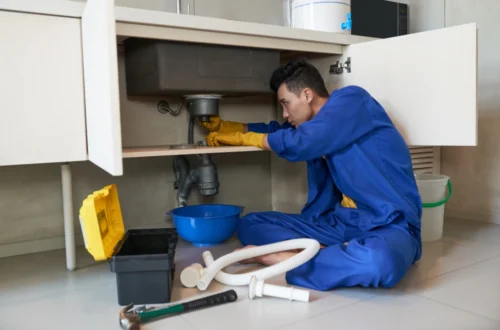
A drain snake, also called a plumber’s auger, is a long flexible metal cable with a coiled tip or cutting head at one end and a handle or crank at the other. You feed it into the drain pipe and either push through the blockage or hook into it and pull it out. The cable is flexible enough to navigate bends in the pipe without getting stuck.
Hand-cranked versions available at most hardware stores reach between 15 and 25 feet, which covers the distance from the drain opening to past the P-trap and into the main drain line. Power augers, the kind a plumber brings to the job, can reach 50 to 100 feet and cut through root intrusion and compacted blockages that a hand snake won’t touch.
What a drain snake does well:
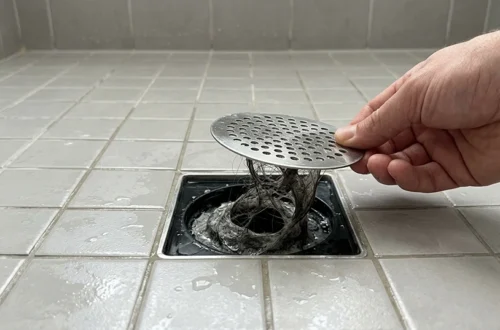
- Physically breaks apart or retrieves solid blockages like hair masses, accumulated soap, and small objects
- Works on fully blocked drains where no water is passing through at all
- Gets past the trap and into the pipe where build-up has accumulated
- Causes no chemical damage to pipes, seals, or septic systems
How a chemical drain cleaner works
Most commercial drain cleaners fall into one of two categories: caustic (alkaline) or acidic.
Caustic cleaners, like those containing sodium hydroxide, work by generating heat through a chemical reaction that dissolves organic material, typically grease, hair, and soap. Acid-based cleaners use sulphuric acid, which reacts with organic and mineral deposits and breaks them down more aggressively.
You pour the product into the drain, leave it for the specified time, and flush with water. They’re convenient and don’t require any physical effort.
What a chemical drain cleaner does well:
- Works on soft, organic blockages near the drain opening where the chemical can reach before being diluted
- Good for preventative use on slow-draining pipes before a full blockage forms
- No tools or physical effort required
- Readily available at supermarkets and hardware stores
Drain snake vs chemical drain cleaner: a direct comparison
Effectiveness on different blockage types
A drain snake wins on solid or deep blockages. A chemical cleaner needs direct contact with the clog to react with it. If the drain is fully blocked and water is sitting in the basin, the chemical product gets diluted before it reaches the blockage and does very little. A snake physically reaches the clog regardless of whether there’s water in the pipe.
For soft, greasy build-up near the drain opening, chemical cleaners work reasonably well. For a hair mass sitting three feet into the pipe, a snake is the correct tool.
Pipe safety
This is where the trade-off becomes important. Chemical drain cleaners generate heat and are corrosive. Used repeatedly on older metal pipes, especially cast iron, they accelerate corrosion. On PVC, they can soften seals over time. Sodium hydroxide-based products are also particularly damaging to certain glues used in ABS plastic pipe systems.
A drain snake has no chemical interaction with the pipe at all. The only risk is scratching a pipe’s internal surface if the cable is used aggressively in older clay or cast iron pipes, though this is rare with a standard hand snake used normally.
Impact on septic systems
Chemical drain cleaners kill the beneficial bacteria inside a septic tank that are responsible for breaking down waste. Used regularly, they reduce the tank’s efficiency and accelerate the need for pump-outs. A drain snake has no impact on septic system biology whatsoever.
If your home runs on a septic system, a drain snake is almost always the better choice. Talk to a licensed plumber if you’re uncertain about what products are safe to use with your specific setup.
Ease of use
A chemical cleaner is undeniably easier. Open the bottle, pour, wait, flush. A drain snake takes practice. Learning to feed the cable without kinking it, navigate the trap, and feel the difference between hitting a bend and hitting a clog takes a few attempts. It’s not difficult, but it’s not instant.
If you’re new to using a snake, our full guide on how to unclog a drain walks through the process step by step, including how to position the snake at different drain types and how to know when you’ve actually cleared the clog.
Cost
A basic hand drain snake costs $20 to $50 at most hardware stores and can be used indefinitely. A bottle of chemical drain cleaner costs $8 to $15 and handles one or two clogs before it’s gone. Over the life of a house, a drain snake is significantly cheaper.
When to use a drain snake
- The drain is fully blocked and water won’t move at all
- You’ve already tried a chemical cleaner and it hasn’t worked
- The home has a septic system
- The pipes are older cast iron or clay
- The clog is hair-based, which chemicals struggle to fully dissolve
When a chemical cleaner is the right call
- The drain is slow but still passing water
- The blockage is recent and likely to be grease or soap scum build-up
- You have newer PVC pipes in good condition
- You don’t have access to a drain snake and need a same-day solution
When neither will fix the problem
Both tools have their limits. Tree root intrusion, collapsed pipe sections, misaligned joints, and heavily scaled pipes don’t respond to either a hand snake or a chemical cleaner. If a drain keeps blocking despite repeated clearing, or if multiple drains in the house are slow at the same time, the problem is almost certainly in the main sewer line.
Understanding what’s causing the issue in the first place makes a big difference here. Our article on what causes a drain to clog covers all 12 common reasons, including several that only a camera inspection and a licensed plumber can address properly.
The US Environmental Protection Agency guidelines on chemical drain products note that frequent use of caustic drain cleaners presents risks both to plumbing systems and the broader wastewater treatment process. For recurring blockages, investing in a proper diagnosis rather than repeated chemical treatments is the more practical path.
FAQs about drain snake vs chemical drain cleaner
A drain snake. Chemical cleaners rely on direct contact with the blockage, which isn’t possible if water is sitting above a fully blocked drain. A snake bypasses this and physically reaches the clog.
Wait at least 30 minutes and flush thoroughly with water first. Running a snake through a pipe with active chemical cleaner in it puts the corrosive product in contact with the snake cable and your hands when you pull it back out.
Used occasionally on modern PVC pipes in good condition, the risk is low. Used regularly on older metal pipes or repeatedly on any pipe system, it causes accelerating corrosion and can soften pipe joint adhesives over time.
Yes. A drain snake has no chemical impact on a septic tank. Chemical drain cleaners kill the beneficial bacteria that make a septic system work, so for septic homes a snake is always the better option.
Most consumer hand snakes reach between 15 and 25 feet, which is enough to clear clogs past the P-trap and into the main drain line. For blockages deeper than that, particularly in the sewer line, a power auger operated by a plumber is the right tool.